



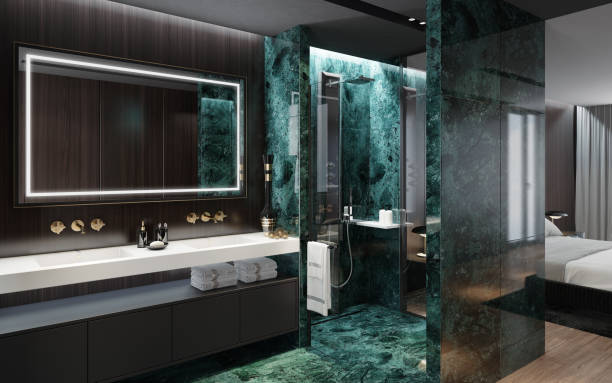
Green Onyx marble has become one of the most sought-after natural stones in luxury architecture and interior design. Renowned for its striking green hues, captivating translucency, and distinctive veining, this rare material is frequently specified for prestigious residential estates, boutique hotels, upscale retail spaces, and signature commercial developments. Its ability to transform ordinary surfaces into extraordinary design statements has fueled growing demand worldwide.
However, the cost of Green Onyx can vary dramatically from one slab to another. While some selections are relatively accessible, premium-grade Green Onyx often commands significantly higher prices due to a combination of rarity, quality, sourcing, processing, and fabrication requirements. Understanding these variables is essential for architects, designers, builders, and homeowners seeking to make informed purchasing decisions.
Before evaluating costs, buyers should recognize that Green Onyx is not priced solely by square footage. The stone’s visual characteristics, geological uniqueness, and suitability for specialized applications all contribute to its overall value. A deeper understanding of these factors helps explain why premium Green Onyx remains one of the most exclusive materials available in the natural stone market.
What Makes Green Onyx Marble a Luxury Stone?
Unlike many conventional building materials, Green Onyx possesses qualities that immediately distinguish it from standard marble, granite, or engineered surfaces. Its translucent structure allows light to penetrate the stone, creating dramatic visual effects that cannot be replicated by most natural materials.
The rarity of high-quality deposits further enhances its status within the luxury stone market. Premium Green Onyx is extracted from limited quarry sources, and only a small percentage of production meets the standards required for high-end architectural applications.
The Appeal of Green Onyx in Modern Architecture
Green Onyx has become a favorite among designers seeking to create memorable spaces with a sense of exclusivity and sophistication. Its vibrant appearance and unique natural patterns make it ideal for statement features that capture immediate attention.
Large Green Onyx statement walls often serve as focal points in luxury residences, hotel lobbies, executive offices, and high-end retail environments. The stone’s natural beauty eliminates the need for excessive decoration, allowing the material itself to become the centerpiece of a space.
Luxury countertops crafted from Green Onyx add elegance and distinction to kitchens, bathrooms, bars, and reception areas. Although the stone requires proper care, its visual impact often outweighs practical considerations for clients seeking exceptional aesthetics.
Feature panels and backlit installations represent some of the most prestigious applications. When illuminated from behind, Green Onyx reveals remarkable depth, highlighting intricate veins and color variations that create a stunning visual experience.
Quality Factors That Have the Greatest Impact on Cost
Not all Green Onyx slabs are created equal. Significant differences in appearance, structural integrity, and rarity directly influence market value.
Color Consistency and Saturation
Color is one of the most important determinants of Green Onyx pricing. Rich, vibrant green tones are generally more desirable than dull or uneven coloration. Buyers and designers often seek slabs that exhibit a balanced distribution of color across the entire surface.
Uniform coloration typically commands higher prices because it is less common in nature. Excessive color variation may reduce the desirability of certain slabs, particularly for projects requiring visual consistency across large installations.
Market preferences also influence pricing. Deep emerald greens, jade-like tones, and highly saturated color profiles often attract premium pricing due to strong demand within luxury design markets.
Transparency and Light Transmission
One of Green Onyx’s defining characteristics is its translucency. Slabs with exceptional light transmission are highly valued because they can be incorporated into backlit installations that showcase the stone’s internal beauty.
The popularity of illuminated feature walls, bars, reception desks, and decorative panels has significantly increased demand for highly translucent material. As a result, slabs capable of producing superior lighting effects often command premium prices.
Evaluating transparency involves examining how evenly light penetrates the stone and whether internal structures enhance or detract from the visual effect.
Veining Patterns and Visual Character
Every Green Onyx slab is unique. The natural veining, mineral deposits, and organic formations create patterns that cannot be duplicated.
Distinctive and dramatic veining is particularly desirable for luxury projects. Architects and designers frequently select slabs with exceptional visual character to create one-of-a-kind installations.
Highly artistic patterns suitable for bookmatching or feature walls are often among the most expensive selections available, as they offer both rarity and design value.
Surface Quality and Natural Imperfections
The presence of cracks, fissures, repairs, and structural weaknesses can significantly affect pricing. Premium slabs typically exhibit fewer visible imperfections and require less stabilization during fabrication.
Material stability is especially important for large-scale installations. Stronger slabs are easier to fabricate and install while providing greater long-term performance.
Although minor natural features are expected in onyx, excessive imperfections generally reduce value and increase processing costs.
How Slab Size and Thickness Affect Pricing
Physical dimensions play a major role in determining Green Onyx marble costs.
Why Larger Slabs Are More Valuable
Extracting large Green Onyx blocks from a quarry is a complex process. The material’s natural fragility increases the risk of breakage during extraction and transportation.
Larger slabs are particularly desirable because they reduce seams and joints in finished installations. This creates a cleaner and more luxurious appearance, especially in expansive wall applications.
Many premium architectural projects require oversized slabs, which further increases demand and market value.
Thickness Options and Cost Differences
Green Onyx is commonly available in various thicknesses, each serving different design and structural requirements.
Thicker slabs generally require more raw material, increasing production costs. They may also require additional processing and handling due to their weight.
In some applications, thinner slabs are preferred for backlit installations because they allow greater light transmission. However, these slabs often require additional reinforcement to maintain structural integrity.
Material Yield and Production Efficiency
Only a portion of quarried material ultimately becomes finished slabs suitable for luxury applications. Fractures, defects, and inconsistencies can reduce usable yield.
When quarry yields are low, production costs rise because more raw material is required to produce premium-quality slabs. These costs are ultimately reflected in market pricing.
The Influence of Quarry Location and Stone Origin
The origin of Green Onyx significantly influences its quality, availability, and cost.
Major Sources of Premium Green Onyx
Certain regions are internationally recognized for producing exceptional Green Onyx. Geological conditions within these locations contribute to distinctive colors, translucency levels, and veining characteristics.
Even within the same quarry, substantial variation can occur. Some extraction zones consistently produce superior material, while others yield lower-grade stone.
This natural variability contributes to price differences among suppliers and collections.
Transportation and Import Costs
Green Onyx is a heavy and delicate material. Transporting it from quarry to fabrication facility requires specialized handling procedures designed to minimize damage.
International shipping, customs duties, insurance, warehousing, and logistics management all add to the final cost.
For imported premium material, transportation expenses can represent a significant portion of the overall investment.
Supply Availability and Market Demand
Because Green Onyx deposits are limited, supply often struggles to keep pace with demand.
Luxury construction booms, hospitality developments, and high-end residential projects can increase competition for premium material. As demand rises, prices frequently follow.
Limited production combined with growing global interest helps maintain Green Onyx’s position as a premium natural stone.
Processing and Manufacturing Costs
Transforming raw Green Onyx into finished architectural slabs requires specialized expertise and advanced equipment.
Cutting and Slab Preparation
Precision cutting is essential due to the stone’s fragile nature. Specialized machinery and experienced operators are required to minimize waste and preserve material integrity.
The preparation process includes block cutting, slab sizing, calibration, and surface refinement. Each stage contributes to production costs.
Reinforcement and Stabilization Techniques
Many Green Onyx slabs undergo reinforcement to improve durability and handling performance.
Resin treatments are commonly applied to fill micro-fractures and strengthen the stone. Fiberglass backing may also be added to enhance structural stability, particularly for thinner slabs.
These treatments improve reliability but increase manufacturing expenses.
Surface Finishes and Their Pricing Impact
Different finishes can affect both appearance and cost.
Polished finishes remain the most popular because they maximize color depth and translucency. Honed finishes provide a softer, more contemporary aesthetic.
Specialty finishes often require additional labor and processing time, increasing overall pricing.
Why Specialty Green Onyx Applications Cost More
Certain applications require exceptional material quality and advanced fabrication techniques.
Bookmatched Green Onyx Installations
Bookmatching involves arranging adjacent slabs to create mirror-image patterns. The resulting visual effect is highly dramatic and widely used in luxury interiors.
Achieving this appearance requires careful slab selection and precise matching. Material waste may also increase during the process.
Because of these requirements, bookmatched installations typically command premium pricing.
Backlit Green Onyx Features
Backlit applications represent one of the most prestigious uses of Green Onyx.
These installations require highly translucent slabs, specialized lighting systems, and expert installation techniques. Every component must work together to achieve a consistent and visually striking result.
The complexity involved significantly increases project costs.
Custom Fabrication Projects
Waterjet cutting, curved surfaces, intricate edge profiles, and custom architectural details require specialized equipment and skilled craftsmanship.
Each customization adds labor, increases fabrication time, and may generate additional material waste.
The more complex the design, the greater the overall investment.
Hidden Costs Buyers Should Consider
The slab price alone does not represent the full project cost.
Fabrication Charges
Custom edge profiles, sink cutouts, electrical openings, and decorative detailing all add to fabrication expenses.
Complex projects often require extensive workshop labor before installation can begin.
Installation Expenses
Green Onyx installations demand experienced professionals familiar with handling delicate natural stone.
Large panels may require specialized lifting equipment, reinforced substrates, and careful alignment procedures.
These factors contribute to higher installation costs compared to standard materials.
Ongoing Maintenance Costs
Regular sealing helps protect the stone and preserve its appearance. Proper cleaning products should be used to avoid surface damage.
Periodic maintenance represents a long-term ownership consideration that should be included in budget planning.
Transportation and Handling
Because Green Onyx is both heavy and fragile, specialized packaging and transportation methods are often necessary.
Additional insurance and protective measures may also be required, particularly for large or high-value orders.
How to Evaluate Green Onyx Marble Before Purchasing
A careful evaluation process can help buyers identify genuine value and avoid costly mistakes.
Checklist for Assessing Quality
Examine the consistency and richness of color throughout the slab. Assess translucency by observing how light interacts with the material.
Study veining patterns to determine whether they align with project objectives. Inspect the slab carefully for structural concerns, repairs, or visible weaknesses.
A thorough assessment provides a clearer understanding of overall quality.
Questions to Ask Suppliers
Buyers should inquire about the stone’s origin, grading methodology, and available slab dimensions.
Understanding sourcing practices and quality standards helps ensure transparency throughout the purchasing process.
Reputable suppliers are typically willing to provide detailed information regarding material specifications.
Tips for Comparing Quotes
Price per square foot offers only part of the picture. Total project costs should include fabrication, transportation, installation, reinforcement, and maintenance requirements.
Comparing complete project estimates rather than material costs alone provides a more accurate basis for decision-making.
Conclusion
Key Takeaways on Green Onyx Marble Pricing
Premium Green Onyx pricing is influenced by a complex combination of factors, including quality, rarity, slab dimensions, quarry origin, processing requirements, and fabrication complexity. Among these variables, quality remains the most important driver of value.
Superior color consistency, exceptional translucency, dramatic veining, and structural integrity consistently command higher prices. Origin, limited availability, and specialized manufacturing processes further contribute to Green Onyx’s premium status.
For luxury projects, few materials can match its visual impact and exclusivity.
Making an Informed Buying Decision
Successful Green Onyx purchases require looking beyond initial material costs. Long-term value, project requirements, and overall quality should guide the selection process.
Working with experienced suppliers and skilled fabricators helps ensure that the chosen material meets both aesthetic and performance expectations. By carefully evaluating quality and understanding the factors that influence pricing, buyers can confidently invest in a natural stone that delivers lasting beauty and distinction.
Ready to elevate your project with premium Green Onyx marble? Contact our stone specialists today for expert guidance, slab availability, and a customized quote tailored to your design requirements.
Post time: Jun-08-2026