



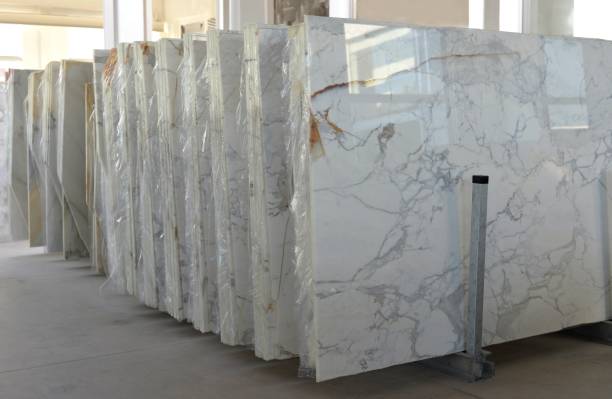
Calacatta marble is one of the most sought-after materials in the premium stone market—but it’s also one of the most misunderstood when it comes to pricing. Two slabs that look similar at first glance can vary significantly in cost, leaving many builders, developers, and buyers wondering what actually drives the difference.
In Australia, where most Calacatta marble is imported and used in high-end residential and commercial projects, pricing is influenced by far more than just the stone itself. Grade, origin, veining, slab size, and even fabrication risks all play a role.
Understanding these factors is essential if you want to make informed decisions—not just about cost, but about value.
Understanding Calacatta Marble Pricing in Australia
In the Australian market, Calacatta marble typically sits at the top end of natural stone pricing. It is commonly used in luxury homes across Sydney and Melbourne, where design impact is a priority.
However, there isn’t a single “standard price.” Instead, pricing varies widely depending on a combination of quality, rarity, and project requirements.
Unlike engineered stone, which is manufactured to be consistent, Calacatta marble is entirely natural. Each slab is unique, and that uniqueness is one of the main reasons pricing can fluctuate so much.
How Marble Grade Impacts Price
One of the most important—but often overlooked—factors is grading.
In simple terms, marble grade refers to the overall quality of the slab. This includes its background colour, the clarity and consistency of the veining, and the presence (or absence) of imperfections such as fissures or discolouration.
Higher-grade Calacatta typically features a bright white background with clean, well-defined veining. These slabs are rarer and more visually striking, which is why they command higher prices.
Lower-grade material may still be usable, but it often has:
* More grey or dull backgrounds
* Less distinct veining
* Visible imperfections
For developers and builders, the choice of grade should align with the role the stone will play in the project. A feature kitchen island in a high-end home will usually justify a premium-grade slab, while secondary areas may not require the same level of visual impact.
Why Origin Plays a Major Role
Not all Calacatta marble is created equal—and much of that comes down to where it is sourced.
Authentic Calacatta marble originates from Italy, particularly from quarries in the Carrara region. Italian Calacatta is known for its distinctive veining, brightness, and overall consistency in quality.
Because of its reputation and limited supply, Italian-origin slabs are typically the most expensive.
Other regions may produce marble marketed as “Calacatta-style” or similar, but these materials often differ in:
* Veining pattern
* Colour tone
* Structural consistency
In Australia, origin also affects pricing through logistics. Importing stone from Europe involves shipping costs, handling, and potential delays. Currency fluctuations between the Australian dollar and the euro can also influence final pricing.
For buyers, this means the origin is not just about prestige—it directly affects cost, availability, and reliability.
Veining and Visual Appeal: The Hidden Value Driver
One of the defining characteristics of Calacatta marble is its veining. Unlike more uniform stones, Calacatta features bold, dramatic patterns that make each slab unique.
The nature of this veining plays a major role in pricing.
Slabs with strong, well-balanced veining that flows naturally across the surface are generally more desirable. These are often selected for statement applications such as kitchen islands or feature walls.
More subtle or irregular veining may reduce the price, even if the slab is technically sound.
Another factor is bookmatching, where two slabs are cut and positioned to mirror each other. This creates a striking visual effect but requires careful selection and matching, which increases both material and fabrication costs.
In many cases, buyers are not just paying for stone—they are paying for a specific visual outcome.
Slab Size, Thickness, and Yield Efficiency
The physical dimensions of a slab also influence its price.
Larger slabs tend to be more expensive because they are harder to extract and transport. However, they can sometimes offer better value in a project context because they reduce the number of joins and seams.
Thickness is another consideration. Thicker slabs require more material and are heavier to handle, which increases both material and installation costs.
Yield—the amount of usable material that can be extracted from a slab—is particularly important for fabricators. Complex designs or inefficient cutting layouts can result in significant waste, which ultimately increases the cost per usable surface area.
For B2B buyers, this is where pricing becomes more technical. The cost of the slab itself is only part of the equation—the way it is used matters just as much.
Fabrication and Installation Costs in Australia
In Australia, labour costs are a significant part of the overall price of a Calacatta installation.
Marble is more fragile than many engineered materials, which makes it more challenging to cut, transport, and install. This increases the risk of breakage, particularly with large or complex pieces.
Fabrication costs can rise depending on:
* Edge profiles and detailing
* Cut-outs for sinks or appliances
* Complex layouts such as waterfall edges
In cities like Sydney and Melbourne, where labour costs are higher, these factors can have a noticeable impact on total project cost.
For this reason, experienced fabricators are essential when working with Calacatta. The quality of installation can significantly affect both the final appearance and the long-term durability of the stone.
Hidden Costs Most Buyers Overlook
Beyond the upfront price, there are several additional costs that are often underestimated.
Transport and handling are key considerations, particularly for imported slabs. Damage during transit or installation is not uncommon, and replacement costs can be high.
Maintenance is another factor. Calacatta marble is porous and typically requires sealing to protect against stains. Over time, ongoing care may be needed to maintain its appearance.
There is also the potential cost of replacement if the material is used in high-traffic or high-risk areas where damage is more likely.
These hidden costs don’t always appear in initial quotes, but they can influence the overall value of the investment.
Calacatta vs Alternatives: How Pricing Compares
When evaluating Calacatta, many buyers also consider alternatives.
Carrara marble is generally more affordable but has softer, more uniform veining. It offers a similar aesthetic at a lower price point, though without the same visual impact.
Engineered stone, including quartz, is typically more consistent and lower maintenance. However, it lacks the natural variation that defines Calacatta.
Porcelain slabs have become increasingly popular in Australia due to their durability and resistance to heat and stains. Many products now replicate the look of marble quite convincingly, offering a practical alternative for certain applications.
The choice between these materials often comes down to priorities—whether the focus is on design, durability, or cost control.
When Is Calacatta Worth the Price?
Calacatta marble is best suited to applications where its visual impact can be fully appreciated.
In luxury residential projects, it is often used for:
* Feature kitchen islands
* Bathroom vanities
* Statement walls
In these contexts, the higher cost can be justified by the aesthetic value it brings to the space.
When to Consider Alternatives
There are situations where alternatives may be more practical.
In high-traffic areas, or in projects where maintenance is a concern, materials such as porcelain or quartz may offer better long-term performance.
For developers working within tighter budgets, these alternatives can also provide a similar look at a lower overall cost.
Choosing the Right Calacatta Slab
Selecting the right slab involves more than just choosing what looks good in a showroom.
Buyers should consider:
* The intended application
* The level of visual impact required
* The practical demands of the space
It’s also important to work with reputable suppliers who can provide clear information about origin, grade, and suitability for the project.
Conclusion
Calacatta slab pricing is not determined by a single factor—it’s the result of multiple variables working together.
Grade, origin, veining, slab size, and fabrication complexity all contribute to the final cost. In Australia, additional considerations such as import logistics and labour costs further influence pricing.
For buyers, the key is not simply to find the lowest price, but to understand what they are paying for—and why.
When chosen carefully, Calacatta marble can deliver a level of visual impact that few materials can match. But making the right choice requires a clear understanding of both cost and value.
Frequently Asked Questions
1. Why is Calacatta marble more expensive than other marble types?
Calacatta marble is rarer and typically features a brighter white background with bold, dramatic veining. Its limited supply—especially from Italy—combined with high demand in luxury projects, drives up the price compared to more common marbles like Carrara.
2. Does the origin of Calacatta marble really affect the price?
Yes, origin has a significant impact. Italian Calacatta is generally more expensive due to its reputation, quality, and limited availability. Alternative sources may offer lower prices but often differ in appearance and consistency.
3. How does veining influence the cost of a slab?
Veining is one of the main value drivers. Slabs with bold, well-balanced, and visually appealing veining are more desirable and therefore more expensive. Unique patterns that are suitable for feature applications can command premium prices.
4. Is Calacatta marble worth the investment for kitchens?
It depends on the project. For high-end kitchens where design is a priority, Calacatta can be a strong investment due to its visual impact. However, for high-use kitchens, buyers should also consider maintenance and durability.
5. What is the biggest hidden cost when buying Calacatta slabs?
One of the biggest hidden costs is fabrication and installation. Marble is fragile and requires skilled handling, which can increase labour costs. There is also the risk of damage during transport or installation, which can lead to additional expenses.
Post time: May-03-2026