



Introduction: Why Pure White Marble Remains a Luxury Favorite in 2026
Few materials possess the same aura of prestige as pure white marble. In an era where design trends evolve with remarkable velocity, this timeless natural stone continues to occupy a rarefied position within the world of luxury architecture and interior design. Its pristine appearance, luminous surface, and naturally sculpted veining create a visual language associated with sophistication, exclusivity, and enduring value. Some trends fade. Pure white marble persists.
Buyers continue choosing pure white marble for premium spaces because it offers more than surface beauty. It delivers a sense of permanence. In grand kitchens, boutique hotels, executive lobbies, and opulent bathrooms, pure white marble introduces an almost ethereal elegance that synthetic materials often struggle to replicate. Every slab carries its own geological narrative, making each installation singular and irreplicable.
Demand has also accelerated across multiple sectors in 2026. Residential projects increasingly seek statement surfaces that elevate property value, while hospitality brands and commercial developments embrace white marble as a hallmark of luxury positioning. From upscale resorts to contemporary retail environments, the appetite for premium stone remains robust.
Yet beneath the allure lies a complex pricing landscape. Costs can fluctuate dramatically due to origin, rarity, slab quality, dimensions, and hidden expenses many buyers overlook. This guide is designed to help purchasers avoid costly miscalculations, decode pricing variables, and make informed decisions before committing to a significant marble investment.
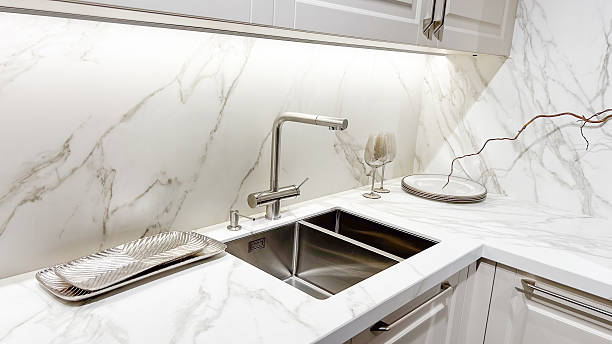
Pure White Marble Price Range in 2026
The pricing landscape for pure white marble in 2026 remains both dynamic and surprisingly nuanced. Buyers entering the market quickly discover a broad spectrum of costs influenced by rarity, country of origin, visual consistency, slab dimensions, and processing quality. At first glance, two white marble slabs may appear nearly identical. Their prices often tell a different story.
Average pure white marble prices this year generally range from $40 to $250+ per square foot, with elite varieties climbing even higher. Materials sourced from renowned quarries, especially those associated with premium European origins, continue to command exceptional valuations due to scarcity and prestige. Supply chain fluctuations and transportation expenditures have also introduced subtle market volatility.
Understanding the distinction between square-foot pricing and slab pricing is equally important. Price-per-square-foot figures provide a useful baseline for project budgeting. Slab pricing, however, reflects the entire stone piece and can vary dramatically based on dimensions, thickness, finish treatments, and aesthetic characteristics. Large-format slabs with harmonious veining and minimal imperfections frequently carry elevated premiums.
For practical purchasing decisions, marble pricing can generally be viewed through three distinct categories:
| Category | Estimated Price Range |
|---|---|
| Budget White Marble | $40–$70 per square foot |
| Premium White Marble | $80–$150 per square foot |
| Ultra Luxury Marble | $180–$250+ per square foot |
| Rare Designer Collections | $300+ per square foot |
Budget selections typically provide attractive aesthetics with greater veining variation. Premium ranges offer stronger visual consistency and enhanced exclusivity. Ultra-luxury categories occupy an entirely different echelon. These rare geological masterpieces often become focal points within luxury residences, boutique hotels, and monumental architectural environments.
Price alone rarely reveals true value. In marble, provenance and perfection often shape the final number.
The Hidden Factors Behind Pure White Marble Prices
At first glance, pure white marble pricing can appear bewilderingly inconsistent. One slab may seem nearly identical to another, yet carry a dramatically higher price tag. The discrepancy is rarely arbitrary. Beneath the polished surface lies a complex ecosystem of geological rarity, production intricacies, craftsmanship, and logistical variables that quietly shape the final cost.
Why Marble Origin Can Instantly Change the Price Tag
Origin possesses remarkable influence in the natural stone market. Geography matters. Marble extracted from historically celebrated quarry regions often carries an inherent prestige that elevates perceived and actual value. Certain quarry sites have cultivated reputations over centuries due to exceptional purity, superior mineral composition, and consistent visual quality.
Quarries with limited extraction volumes create natural scarcity. As accessible reserves diminish, pricing frequently ascends. Buyers are not simply purchasing stone. They are often investing in provenance, legacy, and exclusivity.
Thickness, Slab Size, and Custom Dimensions Explained
Dimensions can quietly transform a project budget. Standard marble thicknesses generally include 2-centimeter and 3-centimeter profiles, yet thicker slabs require additional raw material and specialized processing. That increases cost immediately.
Larger slab formats introduce another layer of complexity. Oversized pieces reduce seam visibility and create a more seamless visual composition, but extracting, handling, and transporting large uninterrupted sections requires extraordinary precision. Custom dimensions further intensify production demands. Intricate fabrication, unusual specifications, and bespoke cuts all contribute to escalating costs.
Small modifications can create disproportionate pricing shifts.
The Impact of Veining Patterns and Color Consistency
Not all white marble is visually equivalent. Some slabs display highly harmonious veining with elegant, restrained movement. Others exhibit irregular mineral interruptions or dramatic tonal fluctuations.
Consistency carries immense value in luxury design environments. Architects and designers often seek slabs capable of creating uninterrupted visual continuity across countertops, walls, and expansive surfaces. Achieving such synchronicity requires selective quarry extraction and meticulous sorting practices.
The more visually balanced the slab appears, the greater its desirability often becomes.
How Rarity Creates Premium Pricing
Scarcity remains one of the most powerful forces influencing luxury material markets. Pure white marble with exceptional chromatic uniformity and minimal imperfections exists in limited quantities. Geological perfection is uncommon.
When demand outpaces quarry output, prices respond accordingly. Rare slabs become architectural trophies. They occupy a category beyond ordinary building materials and enter the realm of collectible design assets.
Exclusivity commands a premium. Always has.
Why Processing and Finishing Add Unexpected Costs
The journey from quarry extraction to showroom display involves substantial transformation. Raw stone undergoes cutting, reinforcement, polishing, calibration, edge fabrication, and finishing procedures before reaching final installation.
Specialized finishes frequently add another layer of expense. High-gloss polished surfaces, honed textures, leathered treatments, and custom edge profiles require additional labor and advanced equipment. Every refinement introduces incremental cost accumulation.
The artistry behind marble processing often remains invisible to buyers. Yet it significantly affects pricing.
Transportation and Import Fees Buyers Often Overlook
One of the most underestimated expenses arrives long after stone selection. Logistics.
Pure white marble is extraordinarily heavy and inherently delicate. Transportation requires protective crating, specialized freight handling, insurance, customs documentation, and carefully coordinated delivery systems. Imported materials often encounter tariffs, port fees, warehousing charges, and fluctuating international shipping costs.
These expenditures rarely appear in initial price discussions. They emerge later. Sometimes unexpectedly.
Understanding these hidden variables transforms purchasing decisions from guesswork into strategy. Because in the world of pure white marble, the visible surface tells only part of the story.
Pure White Marble Costs Beyond the Stone Itself
The allure of pure white marble often begins and ends with the slab price, yet the true financial landscape extends far beyond the stone itself. Many first-time buyers are surprised to discover that installation, fabrication, maintenance, and logistics can collectively reshape the final investment. The surface may look serene and effortless, but the economics beneath it are layered and substantial.
Installation Costs That Surprise First-Time Buyers
Installation is rarely as simple as placing stone on a surface. It is a meticulous craft requiring precision leveling, structural reinforcement, and expert alignment. Pure white marble, being heavy and unforgiving, demands skilled artisans rather than general contractors.
Costs vary depending on project complexity, but installation can add $30 to $100 per square foot to the total expense. Intricate layouts, vertical applications, and large-format slabs amplify difficulty. Even the subtlest misalignment can disrupt the visual harmony, making professional execution indispensable.
Fabrication, Cutting, and Edge Profile Expenses
Before installation, marble undergoes a transformative phase of fabrication. This includes cutting slabs to exact dimensions, polishing surfaces, and shaping edge profiles. Each decision influences both aesthetics and price.
Simple straight edges remain cost-efficient, while more elaborate profiles—such as ogee, beveled, or waterfall edges—require additional labor and specialized tooling. Precision waterjet cutting or CNC machining further increases expenses when complex designs are involved. Fabrication alone can significantly elevate the overall project budget, especially for custom architectural layouts.
Sealing and Maintenance Costs Over Time
Pure white marble is porous by nature, which makes sealing an essential protective ritual rather than an optional enhancement. Without it, surfaces are vulnerable to staining, etching, and gradual dulling.
Initial sealing typically adds a modest cost, but long-term maintenance introduces recurring expenses. Periodic resealing, professional cleaning, and specialty marble-safe products contribute to ongoing ownership costs. Over time, these small interventions preserve the stone’s luminous character, ensuring it retains its pristine visual identity.
Delivery and Handling Fees Buyers Forget to Budget For
Transporting marble is a delicate orchestration of logistics and care. Slabs are heavy, fragile, and highly susceptible to damage if mishandled. As a result, shipping requires reinforced crating, specialized freight carriers, and insurance coverage.
Delivery costs fluctuate based on distance, origin country, and accessibility of the installation site. Remote or high-rise locations often incur additional handling surcharges. Import duties and customs fees may also apply, particularly for internationally sourced stone. These costs are frequently overlooked, yet they can materially influence the final project budget.
When viewed holistically, pure white marble becomes more than a material purchase. It evolves into a layered investment—one where beauty, craftsmanship, and logistics converge in a finely balanced equation of luxury and precision.
Common Pricing Mistakes That Cost Buyers Thousands
Purchasing pure white marble is rarely a casual transaction. It is an investment wrapped in aesthetics, logistics, and long-term performance. Yet many buyers, especially first-time renovators and even seasoned developers, fall into subtle but costly traps. These missteps rarely appear dramatic at the outset. They accumulate quietly, only revealing their weight when budgets begin to fracture.
Choosing Based Only on Price Instead of Quality
The most common misjudgment is allowing price to dominate the decision-making process. On paper, lower-cost marble may seem appealing. In reality, it often conceals compromises in purity, structural integrity, or visual harmony.
Higher-quality slabs exhibit refined veining, superior consistency, and greater durability under fabrication stress. Cheaper alternatives may contain micro-fractures, discoloration patches, or inconsistent mineral distribution. What appears as savings initially can transform into premature replacement costs later. Value, not just price, determines true economic efficiency.
Ignoring Slab Variation and Inspection Steps
No two marble slabs are identical, even when sourced from the same quarry batch. Variation is natural, but overlooking inspection protocols can lead to disappointing outcomes. Some buyers rely solely on catalog images or showroom samples, which rarely represent full slab behavior.
Careful inspection allows evaluation of veining flow, tonal shifts, and hidden imperfections. Skipping this step introduces risk. Once installed, visual inconsistencies become permanent features of the space—unforgiving and highly visible.
Overlooking Hidden Project Expenses
Many budgets collapse not from material cost but from peripheral expenses. Installation labor, surface preparation, adhesive systems, sealing treatments, and fabrication upgrades all contribute significantly to the final invoice.
Transportation surcharges, import duties, and specialized handling fees often emerge late in the process. These costs are not always emphasized during initial quoting, yet they can substantially inflate total expenditure. Awareness is financial armor in marble procurement.
Why Rushing Supplier Decisions Often Leads to Regrets
In the pursuit of timelines, buyers sometimes bypass due diligence when selecting suppliers. This haste can be costly. Reputable suppliers offer transparency in grading, origin disclosure, and slab documentation. Less reliable sources may obscure imperfections or misrepresent material quality.
Rushed decisions often result in mismatched expectations, inconsistent deliveries, or inferior craftsmanship. In marble procurement, patience is not delay—it is protection. The difference between a refined architectural statement and a costly correction often lies in the time taken to choose wisely.
Frequently Asked Questions
Pure white marble pricing often feels like an intricate mosaic of variables, where clarity emerges only after careful inquiry. Below are some of the most common questions buyers encounter when navigating this refined yet complex market.
Why are some pure white marble slabs much more expensive
Price discrepancies are primarily driven by rarity, visual uniformity, and quarry origin. Slabs with near-flawless whiteness and elegantly restrained veining are exceptionally scarce. The more consistent and luminous the surface, the more coveted it becomes. Additional factors such as block size, extraction difficulty, and finishing precision further intensify cost differences.
What is the average cost of pure white marble per square foot
In 2026, pure white marble typically ranges from $80 to $300+ per square foot, depending on grade and origin. Entry-level selections sit at the lower end of the spectrum, while premium and ultra-luxury varieties command significantly higher pricing due to aesthetic refinement and sourcing complexity.
Is imported marble always better than local marble
Not necessarily. Imported marble often carries prestige and access to renowned quarries, yet quality ultimately depends on slab integrity rather than geography alone. Some locally sourced stones offer excellent durability and visual appeal. The true determinant is not origin, but consistency, craftsmanship, and grading accuracy.
How can buyers identify premium quality marble
Premium marble reveals itself through subtle cues: harmonious veining, minimal surface fissures, and consistent coloration across slabs. Under proper lighting, high-grade stone exhibits a soft translucency and refined crystalline texture. Careful inspection, ideally in person, remains essential for accurate evaluation.
Does white marble increase property value
Yes, in many cases it does. Pure white marble enhances perceived luxury, elevates interior aesthetics, and strengthens first impressions during property viewings. While not the sole determinant of value, it often contributes to higher resale appeal and improved market positioning within premium real estate segments.
Final Thoughts
Pure white marble is not a fleeting purchase—it is an architectural commitment, a long-term dialogue between material and space. Its beauty is immediate, but its value unfolds slowly, layer by layer, like geological poetry revealed under light.
Key takeaways smart buyers should remember
Purity, origin, and consistency shape the true worth of marble far more than surface price. Slabs with balanced veining and structural integrity consistently outperform cheaper alternatives in both aesthetics and longevity. Subtle differences often signal significant cost divergence.
Final checklist before requesting supplier quotes
Confirm slab inspection in natural light, verify origin documentation, and compare at least three graded selections. Always account for fabrication, installation, and transport costs before finalizing budgets. Details matter more than assumptions.
Why informed buying decisions save money and frustration
Knowledge transforms uncertainty into control. Buyers who understand grading, variability, and hidden costs avoid unnecessary overruns and disappointing outcomes. In marble procurement, clarity is currency—and informed decisions preserve both capital and creative vision.
Post time: May-11-2026