



For buyers sourcing natural stone in 2026, green marble slabs are no longer a niche choice. They’ve become a strategic material used in projects that demand visual impact, uniqueness, and premium positioning.
But buying slabs—especially in bulk—is not straightforward.
Unlike standardized materials, marble varies from block to block. Two slabs with the same name can look completely different once cut and polished. This is where many buyers run into problems: what looked perfect in a sample ends up inconsistent across a full shipment.
This guide is written from a supplier’s perspective, focusing on what actually matters when selecting, evaluating, and purchasing green marble slabs for real projects.
Why Green Marble Slabs Are in Demand in 2026
Across hospitality, retail, and high-end residential projects, designers are moving away from overused white and grey stones.
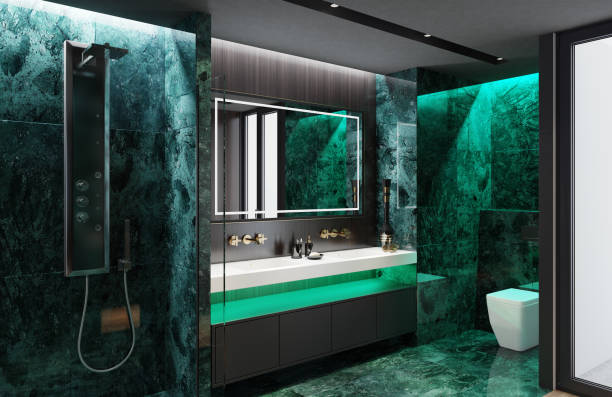
Green marble is gaining traction because it offers:
- Strong visual identity (not easily replicated by engineered materials)
- Natural variation that enhances exclusivity
- Compatibility with modern luxury palettes (metal, wood, glass)
In many recent projects, slabs are not just used for surfaces—they are treated as design features, especially in walls, countertops, and statement installations.
Standard Green Marble Slab Sizes (What Buyers Should Know)
Unlike tiles, marble slabs are cut from natural blocks. This means sizes are not perfectly uniform, but there are standard ranges.
Typical Slab Dimensions:
- Length: 2200mm – 3000mm
- Width: 1200mm – 1800mm
These ranges depend heavily on:
- Quarry origin
- Block size
- Cutting yield
Important Insight:
Buyers often assume all slabs in one order will match in size.
In reality, variation is normal, and planning layouts must account for this.
Slab Thickness Options and Applications
Thickness directly affects both performance and cost.
Common Thicknesses:
16–18mm
- Used for wall cladding
- Lightweight applications
18–20mm (Most Common)
- Countertops
- Flooring cuts
- General commercial use
30mm+
- High-end installations
- Structural or large-format applications
Practical Recommendation
For most commercial projects, 18–20mm slabs provide the best balance between durability, cost, and processing flexibility.
Surface Finishes: What Actually Works
Choosing the right finish is not just aesthetic—it affects usability and maintenance.
Polished Finish
- High gloss, reflective surface
- Enhances color depth and veining
- More sensitive to scratches and wear
Best for:
- Walls
- Feature areas
- Low-abrasion surfaces
Honed Finish
- Matte, smooth surface
- Less reflective
- Better for high-traffic areas
Best for:
- Flooring
- Commercial interiors
Leathered / Textured Finish
- Slightly rough texture
- Unique tactile feel
Best for:
- Accent applications
- Specialty design features
Real-World Insight
In many projects, clients initially choose polished slabs but switch to honed after considering slip resistance and long-term maintenance.
How to Evaluate Green Marble Slab Quality
This is where most bulk buyers make costly mistakes.
1. Color Consistency
Green marble varies significantly:
- Deep green vs light green
- Heavy vs subtle veining
Always review multiple slabs, not just samples.
2. Surface Integrity
Check for:
- Cracks
- Natural fissures
- Resin-filled areas
Some repairs are normal—but they should be controlled and consistent.
3. Polishing Quality
A high-quality slab should have:
- Even gloss (for polished)
- No dull patches
- Clean edges
4. Backside Condition
Reinforcement (mesh/resin) is common, especially for fragile materials.
This is not a defect—but it should be properly applied.
What Affects Green Marble Slab Pricing
Pricing is often misunderstood, especially in wholesale orders.
Key Cost Drivers:
1. Color Uniformity
- High consistency = higher price
- Mixed tones = more economical
2. Quarry Source
Different regions produce different:
- Colors
- densities
- reputations
3. Slab Yield
Large, clean blocks produce:
- More usable slabs
- Lower waste
4. Processing Quality
- Polishing level
- Cutting precision
- Reinforcement
5. Order Volume
Bulk orders can reduce:
- Unit cost
- Logistics cost per square meter
Important Reality
Two suppliers offering “the same marble” may have very different price levels—often due to quality differences not visible in small samples.
Wholesale Buying Guide (Step-by-Step)
Step 1: Define Your Requirements
- Thickness
- Finish
- Quantity
- Application
Step 2: Request Slab Photos or Videos
Do not rely on:
- Catalog images
- Small samples
Ask for:
- Full slab views
- Multiple bundles
Step 3: Approve Slab Bundles
This is critical.
Instead of selecting one slab, approve:
Entire bundles for consistency
Step 4: Confirm Cutting Plan
If slabs will be cut:
- Optimize layout
- Reduce waste
- Maintain pattern flow
Step 5: Confirm Packing & Shipping
Before shipment:
- Review crate structure
- Confirm loading method
Common Mistakes Buyers Make
1. Relying Only on Samples
Samples do not represent full slab variation.
2. Ignoring Natural Variation
Marble is not uniform—this must be planned for.
3. Choosing the Wrong Finish
Polished surfaces in high-traffic areas often lead to issues.
4. Not Confirming Slabs Before Shipping
Once shipped, corrections are costly.
Packing and Export Considerations
Slabs are fragile and high-value—packing matters.
Standard Export Method:
- Wooden crates (fumigated)
- Vertical slab placement
- Foam/plastic protection
- Reinforced strapping
Container Loading
- 20ft containers typically used
- Weight distribution is critical
- Improper loading increases breakage risk
Practical Tip
Ask your supplier for:
Packing photos before shipment
Loading photos inside the container
How to Choose a Reliable Green Marble Supplier
Not all suppliers operate at the same level.
Key Criteria:
Factory Capability
- Can they control cutting and finishing?
Block Selection Access
- Do they control raw material quality?
Consistency Across Orders
- Can they match future batches?
Export Experience
- Packaging
- Documentation
- Logistics coordination
Real Insight
The biggest difference between suppliers is not price—it’s consistency and communication.
Conclusion: How to Buy Green Marble Slabs with Confidence
Green marble slabs offer a level of natural beauty and uniqueness that engineered materials cannot replicate.
However, successful sourcing depends on:
- Understanding variation
- Selecting the right finish
- Working with the right supplier
When these factors align, green marble becomes not just a material—but a defining feature of the project.
If you are planning to source green marble slabs for your project:
We support buyers with:
- Slab selection via photos & real-time video
- Bundle approval for consistency
- Custom cutting based on drawings
- Secure export packaging
→ Request slab photos before ordering
→ Get a quote based on your required sizes
→ Contact us for bulk supply and project support
FAQ
What is the standard size of green marble slabs?
Most slabs range between 2200–3000mm in length and 1200–1800mm in width, depending on the quarry and block size.
What thickness is best for marble slabs?
18–20mm is the most commonly used thickness for countertops and general applications.
Are green marble slabs suitable for large projects?
Yes, but slab selection and consistency control are essential for large-scale use.
How do I ensure quality when buying slabs?
Always review full slab photos or videos and approve bundles before production.
How are marble slabs shipped internationally?
They are packed in reinforced wooden crates and loaded vertically into containers to minimize breakage risk.
Post time: Mar-25-2026