



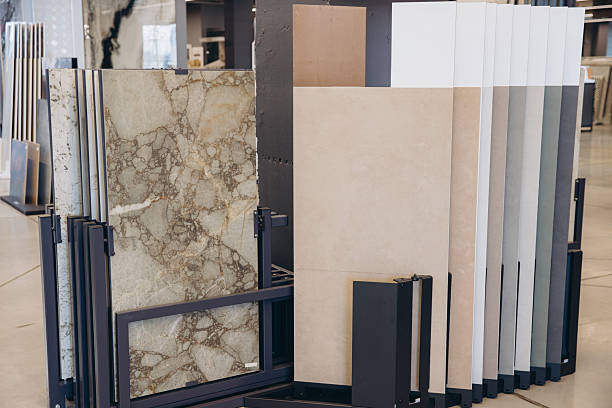
Large format porcelain slabs have become one of the most sought-after flooring materials in modern residential and commercial design. With their expansive dimensions, minimal grout lines, and ability to replicate the appearance of natural stone, marble, and other luxury materials, porcelain slabs create a seamless and sophisticated flooring surface.
However, the premium appearance of large format porcelain flooring comes with a more complex cost structure compared with traditional tile installations. The final project budget is influenced by multiple factors, including slab pricing, installation requirements, surface preparation, transportation, labor expertise, and long-term maintenance considerations.
Understanding the complete flooring cost breakdown for large format porcelain slabs allows homeowners, designers, contractors, and developers to make better purchasing decisions. Instead of focusing only on the price of the slabs themselves, it is important to evaluate the total investment required to achieve a durable, high-quality installation.
On average, the total installed cost of large format porcelain slab flooring can vary significantly depending on the slab quality, project size, location, and installation complexity. While budget-friendly options may offer an affordable entry point, premium porcelain slabs with advanced designs, larger dimensions, and enhanced finishes can represent a higher initial investment.
The main cost components typically include:
- Porcelain slab material cost
- Professional installation labor
- Subfloor preparation
- Adhesives and installation materials
- Transportation and handling
- Waste allowance and additional slabs
- Long-term maintenance considerations
Although large format porcelain slabs often require a higher upfront budget than standard flooring materials, they provide exceptional durability, stain resistance, moisture protection, and aesthetic flexibility. For many projects, the long lifespan and low maintenance requirements make porcelain slabs a cost-effective flooring solution over time.
Average Cost of Large Format Porcelain Slab Flooring
The cost of large format porcelain slab flooring depends on whether the calculation includes only the material price or the complete installed system. Buyers often compare slab prices without considering installation requirements, which can result in inaccurate budget estimates.
A realistic flooring budget should include every stage of the project, from purchasing the slabs to completing the final installation.
Typical Price Range Per Square Foot
Large format porcelain slabs generally fall into three pricing categories: budget, mid-range, and premium.
Budget Large Format Porcelain Slabs
Budget porcelain slabs typically cost around $5 to $15 per square foot for materials. These products usually feature simple colors, basic stone patterns, and standard finishes.
They are suitable for:
- Large residential flooring projects
- Rental properties
- Cost-conscious renovations
- Areas where design customization is less important
Although affordable, budget slabs should still meet quality standards for thickness, strength, and water absorption performance.
Mid-Range Porcelain Slabs
Mid-range options commonly range from $15 to $30 per square foot. These slabs offer better visual detail, improved manufacturing consistency, and a wider selection of finishes.
Popular applications include:
- Modern homes
- Luxury apartments
- Kitchen and living areas
- Boutique commercial spaces
Many homeowners choose this category because it provides a balance between appearance, performance, and cost.
Premium Large Format Porcelain Slabs
Premium porcelain slabs can cost $30 to $60 or more per square foot, depending on the design, manufacturer, and technical features.
These high-end slabs often include:
- Realistic marble veining
- High-definition digital printing
- Special surface textures
- Large custom dimensions
- Enhanced durability characteristics
Premium designs such as Calacatta marble-look porcelain slabs are especially popular in luxury interiors because they deliver the elegance of natural marble without the same maintenance requirements.
Complete Installed Flooring Cost
When installation is included, the total cost of large format porcelain slab flooring generally increases due to specialized labor and preparation requirements.
A typical installed price range may include:
| Cost Component | Estimated Cost Range |
|---|---|
| Porcelain slab materials | $5–$60+ per sq. ft. |
| Professional installation | $10–$30+ per sq. ft. |
| Subfloor preparation | $2–$10 per sq. ft. |
| Adhesives and materials | $2–$5 per sq. ft. |
| Transportation and handling | Project dependent |
The total installed cost commonly ranges from approximately $20 to $100+ per square foot, depending on the quality of materials and complexity of the project.
Large commercial installations may achieve lower costs per square foot because of higher order volumes and more efficient installation processes. Smaller residential projects, however, may have higher unit costs due to minimum labor requirements and handling challenges.
Cost Example for Different Project Sizes
The overall flooring budget changes significantly depending on the size of the installation area.
Small Residential Room
A smaller room, such as a bathroom, bedroom, or entryway, may require fewer slabs but can have a higher cost per square foot because fixed expenses are distributed over a smaller area.
Typical expenses include:
- Material purchase
- Cutting requirements
- Delivery fees
- Installer setup costs
Estimated total project cost:
$2,000–$8,000
Medium-Sized Home Area
A living room, kitchen, or open-concept floor area usually provides better cost efficiency because labor and transportation expenses are spread across a larger installation.
Estimated total project cost:
$8,000–$25,000
Large Residential Flooring Project
Whole-home flooring projects using large porcelain slabs may cover several hundred to thousands of square feet.
Benefits of larger projects include:
- More efficient slab ordering
- Reduced transportation cost per square foot
- Better installation workflow
Estimated total project cost:
$25,000–$100,000+
Commercial Flooring Projects
Large format porcelain slabs are increasingly used in:
- Hotels
- Retail stores
- Office buildings
- Restaurants
- Luxury developments
Commercial projects often require higher-performance slabs and specialized installation methods.
Estimated costs can vary widely depending on:
- Floor area
- Traffic requirements
- Design specifications
- Installation schedule
Material Cost Breakdown for Large Format Porcelain Slabs
The porcelain slabs themselves represent one of the largest portions of the flooring budget. However, the material price is not determined by size alone. Manufacturing technology, design complexity, and performance characteristics all influence the final cost.
Porcelain Slab Price Per Square Foot
The price of porcelain slabs is primarily determined by several key factors.
Manufacturing Quality
Higher-quality porcelain slabs undergo advanced manufacturing processes to achieve:
- Greater structural strength
- More consistent thickness
- Better dimensional accuracy
- Improved surface durability
Premium production standards reduce installation problems and improve long-term performance.
Design Complexity
The appearance of the slab has a major impact on pricing.
Simple designs, such as:
- Solid colors
- Concrete-inspired finishes
- Minimal patterns
are generally more affordable.
More complex designs, including:
- Marble replicas
- Natural stone patterns
- Multi-layer veining
- Decorative surfaces
require advanced printing technology and manufacturing precision, increasing the cost.
Surface Finish
Large format porcelain slabs are available in several finishes, each affecting the price.
Common options include:
Polished Finish
- Creates a reflective, luxury appearance
- Often used for elegant interiors
- May require more careful maintenance
Matte Finish
- Provides a natural stone appearance
- Offers better slip resistance
- Popular for modern flooring applications
Textured Finish
- Designed for enhanced grip
- Frequently used in commercial or outdoor environments
How Slab Size Influences Material Costs
One of the defining features of large format porcelain slabs is their size. Unlike traditional porcelain tiles, these slabs create expansive surfaces with fewer interruptions.
Common large format slab sizes include:
- 24″ × 48″
- 32″ × 64″
- 48″ × 96″
- 63″ × 126″ and larger
Larger slabs usually require more advanced manufacturing equipment, careful transportation, and specialized handling.
However, they also provide important design advantages:
- Fewer grout lines
- More continuous visual flow
- Greater resemblance to natural stone surfaces
- Cleaner modern aesthetics
The increased material cost is often balanced by the premium appearance they create.
Thickness Options and Their Impact on Cost
Thickness is another important factor when calculating porcelain slab flooring costs.
Thin Porcelain Slabs
Thin slabs are lightweight and may be more affordable. They are commonly used for applications where weight restrictions are important.
However, flooring applications typically require careful evaluation because durability depends on:
- Substrate quality
- Installation method
- Expected traffic levels
Standard Flooring Thickness
Most large format porcelain flooring projects use slabs designed specifically for floor applications.
Advantages include:
- Strong impact resistance
- Better load-bearing capability
- Long-term durability
These slabs represent the most common choice for residential flooring.
Heavy-Duty Commercial Thickness
Commercial spaces with high foot traffic may require thicker porcelain slabs.
These products are designed for:
- Shopping centers
- Hotels
- Airports
- Public buildings
Although they cost more initially, they provide improved durability and reduced replacement frequency.
Installation Cost Breakdown for Large Format Porcelain Flooring
While the porcelain slabs themselves represent a significant portion of the budget, installation is one of the most important cost factors in a large format flooring project. Unlike traditional tiles, large porcelain slabs require specialized tools, experienced installers, and precise handling techniques.
A properly installed porcelain slab floor delivers a seamless, durable surface that can last for decades. However, poor installation can lead to issues such as uneven surfaces, cracked slabs, adhesive failure, or visible alignment problems.
For this reason, installation should be viewed as an investment in the long-term performance of the flooring system rather than simply an additional expense.
Average Labor Cost for Porcelain Slab Installation
Professional installation for large format porcelain slabs generally costs more than standard tile installation because of the complexity involved.
Typical installation labor costs range from approximately $10 to $30+ per square foot, depending on factors such as:
- Project size
- Installer experience
- Location
- Slab dimensions
- Floor conditions
- Installation pattern
Large open areas with straightforward layouts may have lower installation costs because the workflow is more efficient. Smaller rooms with multiple corners, transitions, and detailed cuts often require more labor and precision.
Experienced installers typically charge higher rates because they bring specialized knowledge in:
- Slab positioning
- Cutting techniques
- Adhesive application
- Surface leveling
- Damage prevention
Choosing the lowest-cost installer may create problems later if proper installation procedures are not followed.
Why Large Porcelain Slabs Cost More to Install
Large format porcelain slabs are fundamentally different from traditional tiles. Their size creates both aesthetic advantages and technical challenges.
Specialized Handling Equipment
Large slabs can measure several feet in length and require careful transportation from delivery to final placement.
Professional installers often use:
- Vacuum lifting systems
- Slab carrying frames
- Mechanical lifting equipment
- Specialized cutting tables
These tools reduce the risk of breakage and allow installers to position slabs accurately.
Multiple Installers Required
A standard ceramic tile can often be handled by one person. Large porcelain slabs usually require multiple workers because of their:
- Large surface area
- Low flexibility
- Risk of cracking during movement
Additional labor increases installation costs but helps ensure a successful installation.
Precision Cutting Requirements
Large slabs leave little room for error.
Installers must carefully measure and cut around:
- Doorways
- Cabinets
- Floor vents
- Columns
- Plumbing fixtures
- Architectural features
A small cutting mistake can result in expensive material waste because replacement slabs may need to be ordered.
Advanced Leveling Systems
Because large porcelain slabs cover expansive areas, even minor unevenness in the subfloor can become visible.
Professional installations may require:
- Tile leveling clips
- Self-leveling compounds
- Precision measuring tools
- Flatness corrections
These additional steps improve the final appearance and prevent uneven edges between slabs.
Installation Steps That Affect the Budget
A complete large format porcelain flooring installation typically involves several stages. Each stage contributes to the overall project cost.
1. Site Measurement and Planning
Before installation begins, contractors evaluate:
- Room dimensions
- Floor conditions
- Slab layout
- Cutting requirements
- Material quantities
Detailed planning helps reduce waste and ensures the slab pattern flows naturally throughout the space.
For premium marble-look porcelain slabs, layout planning is especially important because installers may need to align veins and patterns across multiple slabs.
2. Subfloor Preparation
The subfloor must be properly prepared before porcelain slabs are installed.
Preparation may include:
- Removing old flooring
- Repairing cracks
- Filling uneven areas
- Applying leveling compounds
- Checking moisture conditions
Large format slabs require a flatter surface than smaller tiles because imperfections are more noticeable across larger areas.
3. Slab Transportation and Handling
Transportation costs are often overlooked when budgeting for porcelain slabs.
Large slabs require:
- Careful packaging
- Protective materials
- Specialized delivery vehicles
- Safe unloading procedures
Internationally sourced slabs may also involve additional expenses such as:
- Import fees
- Customs charges
- Warehouse handling
- Regional transportation
4. Cutting and Fitting
The cutting stage requires specialized equipment, including:
- Large-format tile saws
- Water-cooled cutting systems
- Diamond blades
Complex designs may increase labor costs because more time is needed for precise fitting.
5. Installation and Alignment
During installation, contractors must carefully control:
- Slab positioning
- Adhesive coverage
- Surface alignment
- Joint spacing
Proper adhesive coverage is especially important because large slabs need strong support beneath the entire surface.
6. Grouting and Finishing
After slabs are installed, final finishing includes:
- Grout application
- Edge finishing
- Cleaning
- Inspection
The quality of these finishing steps strongly affects the overall appearance of the completed floor.
Additional Costs When Installing Large Format Porcelain Slabs
Beyond materials and labor, several additional expenses should be included in the project budget.
These costs are often overlooked during the initial planning stage but can significantly affect the final investment.
Subfloor Preparation Costs
A strong and level foundation is essential for porcelain slab flooring.
Unlike smaller tiles that can sometimes compensate for minor surface variations, large slabs require exceptional flatness.
Common Subfloor Preparation Expenses Include:
Floor Removal
Removing existing materials such as:
- Old tile
- Hardwood
- Vinyl flooring
- Carpet
adds labor and disposal costs.
Floor Leveling
Uneven floors may require:
- Self-leveling compounds
- Grinding
- Concrete repairs
- Additional preparation work
The more correction required, the higher the installation budget.
Moisture Protection
Certain environments, including bathrooms, basements, and commercial areas, may require moisture protection systems.
These can include:
- Waterproof membranes
- Moisture barriers
- Specialized adhesives
Proper moisture management helps prevent future flooring problems.
Adhesives, Mortar, and Installation Materials
Large porcelain slabs require high-performance installation materials designed to support their size and weight.
Common materials include:
Premium Mortar or Adhesive
Large slabs require adhesives with:
- Strong bonding strength
- Extended working time
- Good coverage characteristics
Standard tile adhesives may not provide adequate support.
Grout Materials
Although porcelain slabs have fewer grout lines than traditional tiles, grout quality still matters.
Premium grout options provide:
- Better stain resistance
- Improved durability
- Easier maintenance
Leveling Systems
Tile leveling systems help achieve:
- Consistent slab height
- Reduced lippage
- Cleaner visual appearance
These materials add cost but improve installation quality.
Delivery and Transportation Costs
Large format porcelain slabs require special logistics because of their size and fragility.
Transportation expenses depend on:
- Distance from supplier
- Number of slabs ordered
- Packaging requirements
- Delivery method
Factory-direct purchases may reduce material costs, but buyers should consider shipping and handling expenses before comparing prices.
A lower slab price does not always mean a lower total project cost if transportation expenses are significantly higher.
Waste and Extra Material Allowance
Every flooring project requires additional material to account for cutting and potential damage.
For large format porcelain slabs, buyers typically plan for approximately:
- 10% additional material for standard layouts
- 15% or more for complex designs
Additional material may be required when projects involve:
- Irregular room shapes
- Diagonal layouts
- Pattern matching
- Multiple cuts around obstacles
Ordering extra slabs at the beginning of the project is usually more cost-effective than attempting to match discontinued materials later.
Cost Comparison: Large Format Porcelain Slabs vs Other Flooring Materials
When evaluating flooring options, the initial purchase price does not tell the complete story. Durability, maintenance, lifespan, and replacement costs all influence the true value of a flooring material.
Large Format Porcelain Slabs vs Traditional Porcelain Tiles
Traditional porcelain tiles remain a popular flooring choice because they are affordable and widely available.
However, large format porcelain slabs offer several advantages.
| Feature | Large Format Porcelain Slabs | Traditional Porcelain Tiles |
|---|---|---|
| Appearance | Seamless luxury look | More visible grout lines |
| Installation | More specialized | Easier installation |
| Maintenance | Fewer grout joints | More grout cleaning |
| Design Impact | High-end appearance | Standard appearance |
Traditional tiles may have a lower upfront cost, but large porcelain slabs provide a more modern and premium visual result.
Large Format Porcelain Slabs vs Natural Stone Flooring
Natural stone, especially marble, has long been associated with luxury interiors.
However, porcelain slabs provide several practical advantages.
Natural Stone Advantages:
- Unique natural patterns
- Authentic stone appearance
- Luxury reputation
Porcelain Slab Advantages:
- Lower maintenance
- Greater stain resistance
- More consistent patterns
- Better moisture resistance
- No regular sealing requirements in many applications
For homeowners who want the appearance of marble without intensive maintenance, marble-look porcelain slabs are often an attractive alternative.
Large Format Porcelain Slabs vs Hardwood Flooring
Hardwood flooring offers warmth and natural character, but it has limitations.
| Factor | Porcelain Slabs | Hardwood |
|---|---|---|
| Water Resistance | Excellent | Limited |
| Scratch Resistance | Very high | Requires refinishing |
| Maintenance | Low | Moderate to high |
| Lifespan | Decades | Decades with care |
Porcelain slabs are particularly suitable for kitchens, bathrooms, and high-traffic areas where moisture resistance is important.
Factors That Can Increase Large Format Porcelain Flooring Costs
Although large format porcelain slabs offer excellent value, several factors can increase the overall project budget. Understanding these variables helps buyers create a realistic estimate and avoid unexpected expenses during installation.
The final cost is rarely determined by slab price alone. Design preferences, installation complexity, site conditions, and project requirements all influence the investment.
Premium Designs and Finishes
The appearance of porcelain slabs has become increasingly sophisticated. Advanced manufacturing technology allows porcelain surfaces to replicate luxury materials such as marble, limestone, travertine, and other natural stones with remarkable accuracy.
However, more detailed designs usually come at a higher price.
Marble Look Porcelain Slabs
Marble-inspired porcelain slabs are among the most popular premium flooring choices.
Designs such as Calacatta, Carrara, and Statuario-inspired patterns are valued for their:
- Dramatic veining
- Elegant appearance
- Luxury aesthetic
- Compatibility with modern interiors
The more realistic and complex the veining, the more advanced the production process becomes.
High-end marble-look slabs may require:
- Multiple printing layers
- Advanced digital imaging
- Precise surface texturing
These manufacturing processes contribute to higher material costs.
Specialty Surface Finishes
Porcelain slabs are available in various finishes designed for different applications.
High-Gloss Finishes
Polished surfaces create a luxurious reflective appearance and are often used in:
- Luxury residences
- Hotel lobbies
- Contemporary interiors
However, achieving a consistent polished surface requires additional manufacturing processes.
Textured Finishes
Textured porcelain slabs provide improved grip and are commonly used in:
- Commercial flooring
- Outdoor applications
- High-traffic areas
Specialized textures may increase production costs.
Matte Finishes
Matte surfaces are increasingly popular because they provide:
- Natural stone appearance
- Modern visual appeal
- Reduced glare
- Easy integration with minimalist designs
Although often more affordable than highly polished surfaces, premium matte finishes may still carry higher costs depending on the design.
Complex Installation Layouts
The layout of the flooring design has a significant impact on installation expenses.
A simple rectangular room with minimal cutting will generally cost less than a complex architectural space.
Large Open Spaces
Open-concept areas are ideal for large format porcelain slabs because they allow the material to create a continuous visual effect.
However, large spaces require:
- Careful planning
- Precise alignment
- Additional handling coordination
The larger the uninterrupted surface, the more important installation accuracy becomes.
Custom Patterns and Designs
Some projects require unique layouts, such as:
- Vein matching
- Bookmatching designs
- Decorative borders
- Custom transitions
These applications require additional planning and craftsmanship.
For example, marble-look porcelain slabs may need to be arranged so that veins flow naturally from one slab to another. This creates a high-end appearance but increases labor time.
Difficult Room Conditions
Installation costs may increase when working around:
- Multiple corners
- Staircases
- Built-in furniture
- Irregular floor shapes
- Architectural details
Each additional cut increases labor time and material waste.
Commercial Project Requirements
Commercial spaces often require higher-performance flooring solutions because they experience significantly more foot traffic than residential environments.
Large format porcelain slabs are widely used in:
- Shopping centers
- Restaurants
- Hotels
- Corporate offices
- Public buildings
However, commercial projects often involve additional requirements.
Higher Durability Standards
Commercial flooring may require slabs with:
- Greater impact resistance
- Higher abrasion ratings
- Increased load capacity
These enhanced specifications can increase material costs.
Larger Installation Areas
While larger projects can benefit from economies of scale, they also require:
- More detailed planning
- Larger installation teams
- Longer project timelines
Coordination becomes essential to minimize disruption and maintain construction schedules.
Project Management Costs
Commercial installations may include additional services such as:
- Site supervision
- Safety management
- Scheduling coordination
- Quality inspections
These services contribute to the overall project budget but help ensure professional results.
How to Reduce Large Format Porcelain Slab Flooring Costs
Large format porcelain flooring is a premium investment, but there are several strategies that can help control costs without sacrificing quality.
Smart planning before purchasing materials often creates significant savings.
Choose the Right Slab Design
One of the easiest ways to manage costs is selecting a design that balances appearance and budget.
Not every project requires the most expensive porcelain slab available.
Consider Cost-Effective Designs
Affordable alternatives can include:
- Neutral stone patterns
- Concrete-inspired finishes
- Simple marble designs
- Standard colors
These options can still create a sophisticated appearance while reducing material expenses.
Avoid Overly Complex Patterns
Highly detailed designs may require:
- More expensive slabs
- Additional cutting
- Increased installation time
A carefully selected standard design can achieve a luxury look with fewer complications.
Purchase Directly From Porcelain Slab Suppliers
Buying directly from manufacturers or authorized suppliers can reduce costs compared with purchasing through multiple distribution layers.
Factory-direct purchasing may provide:
- More competitive pricing
- Larger inventory selection
- Custom design opportunities
- Better project support
For contractors and developers working on larger projects, supplier relationships can significantly affect overall project economics.
Compare More Than the Initial Price
The cheapest slab option is not always the most economical choice.
Buyers should evaluate:
- Product quality
- Technical specifications
- Supplier reliability
- Shipping costs
- Installation compatibility
A slightly higher-quality slab may reduce future repair or replacement expenses.
Plan Installation Efficiently
Installation efficiency has a major impact on the final budget.
Good planning can reduce:
- Material waste
- Labor hours
- Unexpected adjustments
Accurate Measurements
Before ordering slabs, confirm:
- Exact floor dimensions
- Door openings
- Cabinet locations
- Fixture placements
Accurate measurements prevent unnecessary material purchases.
Optimize Slab Layout
Professional layout planning helps:
- Minimize cuts
- Improve visual flow
- Reduce waste
- Highlight slab patterns
For luxury designs, layout planning is essential to maximize the aesthetic value of the material.
Prepare the Subfloor Early
A properly prepared surface prevents delays during installation.
Addressing floor issues before installation begins helps avoid:
- Additional labor costs
- Installation interruptions
- Adhesive problems
Long-Term Value and Maintenance Costs of Porcelain Slab Flooring
Although large format porcelain slabs often require a higher initial investment, their long-term performance can make them one of the most cost-effective flooring choices available.
A flooring material should not only look attractive when first installed. It should continue performing well years later.
Durability and Lifespan
High-quality porcelain slabs are engineered for long-term performance.
Their key durability advantages include:
Scratch Resistance
Porcelain surfaces are highly resistant to everyday wear from:
- Foot traffic
- Furniture movement
- Household activity
This makes them suitable for busy residential and commercial environments.
Water Resistance
Porcelain has extremely low water absorption, making it ideal for:
- Kitchens
- Bathrooms
- Entryways
- Commercial spaces
Unlike hardwood flooring, porcelain does not warp or swell when exposed to moisture.
Heat Resistance
Porcelain slabs can withstand high temperatures, making them suitable for areas exposed to:
- Direct sunlight
- Heating systems
- Kitchen environments
Long Service Life
When properly installed and maintained, porcelain slab flooring can last for decades.
The combination of durability and low maintenance reduces the likelihood of frequent replacement.
Maintenance Expenses
One of the biggest financial advantages of porcelain slab flooring is its low maintenance requirement.
Everyday Cleaning
Routine care usually requires:
- Sweeping or vacuuming
- Mopping with mild cleaners
- Removing spills promptly
Unlike natural stone, porcelain typically does not require regular sealing.
Repair Considerations
Although porcelain slabs are extremely durable, damage can occur due to:
- Improper installation
- Heavy impact
- Structural movement
Professional installation significantly reduces these risks.
Keeping extra slabs from the original project is recommended because future replacement materials may become unavailable.
Why Porcelain Slabs Offer Long-Term Cost Benefits
When evaluating flooring costs, it is important to consider lifetime value rather than only the initial purchase price.
Large format porcelain slabs offer:
- Lower maintenance expenses
- Longer replacement cycles
- Strong resistance to stains and moisture
- Consistent appearance over time
Although the upfront investment may exceed some traditional flooring options, the reduced maintenance requirements can make porcelain slabs financially attractive over the long term.
Is Large Format Porcelain Slab Flooring Worth the Investment?
For many residential and commercial projects, large format porcelain slabs represent a balance between luxury design and practical performance.
They provide the visual impact of premium materials while offering advantages that traditional options may not deliver.
Benefits That Justify the Cost
Luxury Appearance
Large slabs create a seamless surface with fewer grout lines, producing a cleaner and more sophisticated appearance.
This design effect is especially valuable in:
- Modern homes
- Luxury developments
- Hospitality spaces
Minimal Maintenance
Compared with natural stone, porcelain requires less ongoing care.
Benefits include:
- No frequent sealing
- Easy cleaning
- Better stain resistance
High Durability
Porcelain slabs withstand daily use while maintaining their appearance.
They are suitable for:
- Families with active lifestyles
- High-traffic commercial spaces
- Long-term property investments
Design Flexibility
Available styles include:
- Marble-inspired patterns
- Concrete finishes
- Wood-look surfaces
- Natural stone appearances
This allows designers to achieve different aesthetics without changing the material category.
Situations Where Porcelain Slabs Are the Best Choice
Large format porcelain flooring is particularly suitable for:
Luxury Residential Projects
Ideal applications include:
- Living rooms
- Open kitchens
- Entry areas
- Master bathrooms
The seamless appearance enhances premium interior designs.
Commercial Properties
Businesses often choose porcelain slabs because they combine:
- Professional appearance
- Durability
- Easy maintenance
Modern Renovations
Homeowners seeking contemporary interiors often prefer large slabs because they create:
- Spacious visual effects
- Clean architectural lines
- Minimalist designs
When Another Flooring Option May Be Better
Although porcelain slabs offer many advantages, they may not be the best solution for every project.
Alternative materials may be more suitable when:
- The budget is extremely limited
- A DIY installation is required
- A warmer natural material feel is preferred
- The project requires faster installation
Choosing the right flooring depends on balancing budget, design goals, performance expectations, and maintenance preferences.
Frequently Asked Questions About Large Format Porcelain Slab Flooring Costs
How much do large format porcelain slabs cost per square foot?
Large format porcelain slabs typically range from approximately $5 to $60+ per square foot depending on design, thickness, quality, and manufacturer. Premium designer slabs may cost more.
Is installation more expensive for porcelain slabs than traditional tiles?
Yes. Large format porcelain slabs require specialized equipment, experienced installers, and careful handling, which increases labor costs compared with standard tile installation.
How much does it cost to install porcelain slab flooring?
Installation costs commonly range from $10 to $30+ per square foot depending on project complexity, location, and preparation requirements.
Are large porcelain slabs cheaper than marble flooring?
In many cases, porcelain slabs offer a lower total ownership cost than marble because they require less maintenance and generally do not require regular sealing.
How long do porcelain slab floors last?
Properly installed porcelain slab flooring can last several decades, often maintaining its appearance with minimal maintenance.
Can porcelain slabs be installed over existing floors?
In some cases, porcelain slabs may be installed over existing surfaces if the substrate is stable, flat, and properly prepared. A professional evaluation is recommended.
How much extra material should be purchased?
Most projects require approximately 10% additional material. More may be needed for complex layouts, custom cuts, or pattern matching.
Conclusion: Understanding the True Cost of Large Format Porcelain Slab Flooring
The cost of large format porcelain slab flooring extends beyond the price of the slabs themselves. A complete budget must consider materials, installation, preparation work, transportation, and long-term maintenance.
While porcelain slabs often require a higher initial investment than traditional flooring options, they provide exceptional value through durability, design flexibility, and low maintenance requirements.
The best results come from selecting high-quality slabs, working with experienced installers, and planning the project carefully from the beginning.
For homeowners, designers, contractors, and commercial developers seeking a flooring solution that combines luxury appearance with long-lasting performance, large format porcelain slabs remain one of the most versatile and valuable choices available.
Looking for premium large format porcelain slabs for your next flooring project? Explore high-quality porcelain slab options designed for residential and commercial applications, and contact a trusted supplier to receive professional recommendations and project pricing.
Post time: Jul-15-2026