



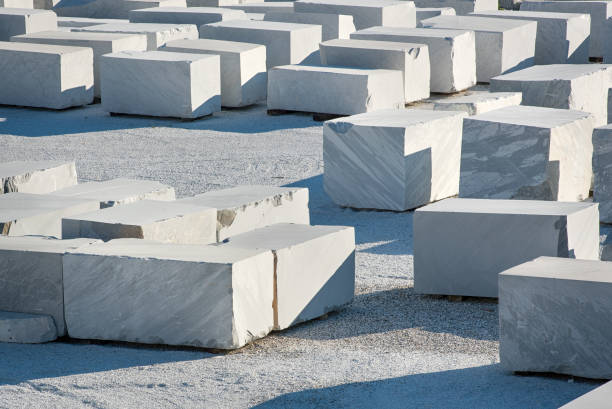
Importing marble slabs into Australia can open the door to better pricing, a wider selection of materials, and access to premium stone products that are difficult to source locally. For many builders, stone distributors, developers, and fabricators, importing directly from overseas suppliers has become an increasingly important part of staying competitive in the Australian market.
At the same time, importing marble is rarely as simple as selecting slabs and arranging freight.
First-time importers are often surprised by how many moving parts are involved. Shipping logistics, customs clearance, quarantine inspections, packaging standards, insurance, and handling risks can all affect the final outcome—and the final cost.
In Australia, where most premium marble is imported from Europe and Asia, understanding the process before placing an order can help avoid expensive mistakes later.
This guide explains the key steps involved in importing marble slabs into Australia, including supplier selection, shipping, customs requirements, and the most common issues first-time buyers face.
Choosing the Right Marble Supplier
One of the biggest mistakes first-time buyers make is focusing only on price.
A low slab price may look attractive initially, but poor quality control, inconsistent grading, or weak packaging standards can quickly create larger problems once the shipment arrives in Australia.
When sourcing from overseas suppliers, reputation and export experience matter just as much as the stone itself.
Reliable suppliers should be able to provide:
* detailed slab photos and videos
* accurate dimensions and thickness specifications
* clear grading information
* packaging details
* export documentation
For premium materials such as Italian marble imported into Australia, buyers should also verify the actual origin of the stone. Some products marketed as “Calacatta-style” or “Carrara-look” marble may not originate from Italy at all.
Consistency is particularly important for commercial projects where multiple slabs need to match visually across large spaces.
It’s also worth discussing packaging methods before confirming an order. Marble slabs are fragile, and inadequate crating is one of the leading causes of damage during international shipping.
Experienced exporters usually use reinforced timber crates with proper internal support designed specifically for stone transport.
Understanding Marble Shipping and Container Logistics
Most commercial marble slabs imported into Australia are transported via sea freight inside shipping containers.
Because marble is extremely heavy, shipping logistics can significantly influence the final landed cost. Freight rates fluctuate depending on:
* shipping routes
* fuel prices
* container availability
* international demand
For large commercial orders, slabs are typically packed vertically inside containers using timber support systems designed to minimise movement during transit.
In Australia, imported stone shipments commonly arrive through:
* Port Botany
* Port of Melbourne
* Port of Brisbane
Once containers arrive, the cargo must go through customs and quarantine clearance before delivery can be arranged.
For first-time importers, it’s important to understand that international freight involves more than just ocean shipping costs. Additional charges may include:
* port handling fees
* container detention charges
* local transport
* unloading equipment
* warehouse storage
These costs can add up quickly if not planned for in advance.
Customs Clearance and Import Documentation
Every marble shipment entering Australia requires proper documentation.
The most common documents include:
* commercial invoice
* packing list
* bill of lading
* certificate of origin
These documents are used to assess the shipment, verify product details, and process customs clearance.
For many businesses, working with a customs broker is the easiest approach. Customs brokers help manage:
* import declarations
* GST processing
* clearance requirements
* communication with border authorities
In Australia, imported stone products may also be subject to GST and other charges depending on the nature of the shipment.
For beginners learning how to import marble into Australia, customs processes can feel overwhelming at first. However, experienced brokers and freight forwarders can simplify much of the process and help avoid unnecessary delays.
Biosecurity and Quarantine Requirements in Australia
One area many new importers underestimate is Australia’s biosecurity system.
Imported marble itself is generally not considered a biosecurity risk, but the timber packaging used to transport slabs often is.
Authorities such as Australian Border Force and Department of Agriculture, Fisheries and Forestry may inspect timber crates, pallets, and packing materials to ensure they comply with Australian import regulations.
Untreated or improperly certified timber packaging can result in:
* shipment delays
* additional inspection fees
* fumigation requirements
* re-export or disposal orders in serious cases
This is why experienced exporters use ISPM 15-certified timber packaging for international shipments.
For Australian buyers, confirming packaging compliance before shipping is one of the simplest ways to reduce risk.
Understanding the Real Cost of Importing Marble Slabs
Many first-time importers focus heavily on slab pricing while underestimating the broader cost structure involved in marble slab logistics in Australia.
The true landed cost usually includes:
* material purchase price
* international freight
* marine insurance
* customs clearance
* GST and duties
* local transport
* unloading and handling
* storage costs
* fabrication waste
This is especially important for large-format marble slabs, where breakage or cutting waste can significantly affect profitability.
In practice, the cheapest supplier does not always produce the lowest overall project cost.
A supplier offering better packaging, more consistent grading, and reliable logistics support may ultimately deliver stronger value despite higher initial pricing.
Common Mistakes First-Time Importers Make
Importing stone successfully often comes down to avoiding a few common mistakes.
One of the most frequent issues is ordering based solely on polished showroom photos. Natural stone varies considerably between slabs, and lighting conditions can make materials appear very different in images.
Another mistake is underestimating freight and handling costs. Marble is heavy, fragile, and expensive to move, particularly within Australia once the shipment arrives at port.
Some buyers also fail to account for fabrication waste. Large projects usually require extra material to allow for matching, cutting, and contingencies.
Damage risk is another major issue. Even with careful packaging, slab breakage can happen during loading, shipping, unloading, or installation. This is why marine insurance and contingency planning are so important.
Lead times are also commonly underestimated. Depending on supplier location, shipping schedules, customs processing, and local delivery requirements, importing marble slabs can take significantly longer than expected.
Is Importing Marble Slabs Worth It?
For many Australian businesses, importing directly can provide major advantages.
Developers and distributors often gain access to:
* better pricing
* larger slab selections
* exclusive materials
* stronger supply flexibility
This is especially valuable in premium markets where clients expect unique materials or specific marble styles.
At the same time, importing requires careful planning and reliable logistics support. Cash flow management, shipping coordination, quality control, and compliance all become part of the process.
For businesses without importing experience, working with established stone import specialists can reduce much of the operational complexity.
Tips for Australian Buyers and Developers
For first-time buyers, preparation is critical.
Before placing an order, it’s worth spending time understanding:
* supplier reputation
* slab grading consistency
* shipping timelines
* packaging quality
* total landed costs
Where possible, inspecting slabs before shipment—or working with trusted sourcing partners—can help avoid quality disputes later.
It’s also wise to order additional material for large projects. Natural stone variation, cutting requirements, and accidental damage can all create situations where replacement slabs are needed.
Most importantly, buyers should approach importing as a long-term supply strategy rather than a one-off transaction.
Strong supplier relationships often lead to better consistency, improved communication, and smoother future projects.
The Future of Marble Imports in Australia
Demand for premium natural stone in Australia remains strong, particularly in luxury residential and commercial sectors.
As architects and developers continue to prioritise high-end finishes, imported marble is likely to remain an important part of the Australian building and design market.
At the same time, buyers are becoming more sophisticated. They are asking more detailed questions about:
* origin
* logistics
* compliance
* packaging standards
* long-term reliability
This shift is creating greater demand for suppliers and import partners who understand both the stone industry and the practical realities of international logistics.
Final Thoughts
Successfully importing marble slabs into Australia involves far more than selecting attractive stone.
The process requires careful coordination between suppliers, freight providers, customs brokers, fabricators, and project teams. Understanding the logistics, compliance requirements, and hidden costs involved can help buyers avoid delays, reduce risk, and improve project outcomes.
For businesses willing to approach the process strategically, importing can provide access to premium materials, stronger margins, and greater flexibility in an increasingly competitive market.
Need Help Sourcing Marble Slabs for Australian Projects?
Whether you’re sourcing materials for a luxury residential build, commercial fit-out, or large-scale development, working with experienced stone specialists can make the importing process significantly smoother.
The right supply partner can help with:
* supplier selection
* slab sourcing
* shipping coordination
* import logistics
* commercial project requirements
Because successful stone importing isn’t just about buying marble—
It’s about managing quality, risk, and delivery from quarry to installation.
Post time: May-08-2026